Private Video Sharing Without Apps: Send Large Video Files Without Compression or Tracking
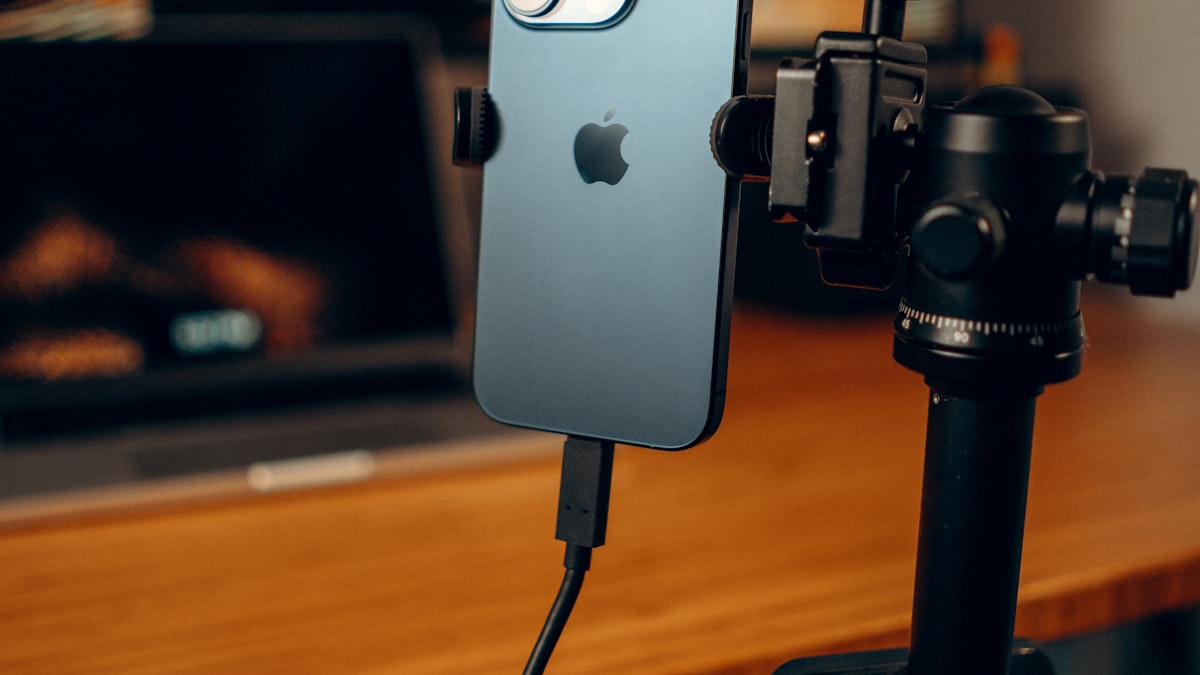
Video is genuinely the hardest file type to share. Photos compress badly; video compresses catastrophically. A 4K video file that looks stunning on your editing timeline can arrive looking like it was filmed through a dirty window after passing through WhatsApp or Instagram. Understanding why this happens — and what options actually preserve quality while keeping the transfer private — is worth getting into properly.
Why Video Gets Destroyed in Transit
What Platforms Actually Do to Your Video
When you send a video through a messaging app or social platform, several things happen automatically that you have no control over:
Also readPrivate Photo Sharing Between Devices →Every mainstream messaging route re-encodes: WhatsApp and Instagram cap video at 720p with heavy bitrate reduction, iMessage falling back to MMS compresses clips to a few megabytes, Messenger delivers what should be treated as a preview copy, and Gmail's 25MB cap converts anything real into a Google Drive link that demands an account from your recipient. (The codec-level mechanics of what re-encoding destroys — and how to verify a video arrived untouched — are covered in depth in the large-video transfer guide.)
The Re-encoding Problem Is About Infrastructure Cost
Platforms don't compress your video out of malice. Storing and serving original-quality video at scale is extraordinarily expensive. Re-encoding to a standardised, compressed format is the economically rational choice for a platform storing billions of videos — it just happens to ruin your video in the process. A transfer tool that deletes the file after delivery has no such storage bill, which is exactly why it has no reason to touch your video's quality.
Why "Without Apps" Is Itself a Privacy Feature
The app-free part of this isn't just recipient convenience — it's a meaningful privacy boundary. A sharing app you install typically requests access to your entire photo and video library, runs in the background, and can read far more than the one clip you meant to send. A browser-based transfer inverts that: you explicitly pick one file, the page sees only that file, and when the tab closes there is no resident software with standing permissions to your camera roll. For the person on the other end, "no app" also means no account creation, no permission prompts, and nothing left installed on their phone after the download.
What "Private" Actually Means for Video Sharing
Beyond compression, video sharing through social platforms and messaging apps carries privacy implications that are easy to overlook:
Related guideHow to Send Large Files Without Risk→Content analysis: Platforms use computer vision to analyse video content — for policy compliance, content categorization, and building interest profiles. A video you share privately via Instagram DM is still processed by Meta's content analysis systems.
Platform retention: Videos shared on social platforms don't always disappear when you think they do. Deleted Instagram DMs may persist in backup systems. WhatsApp stores media on their servers beyond the delivered copy.
Metadata: Video files contain rich metadata — creation timestamp, GPS location if recorded on a phone, device information, camera settings. This metadata travels with the file unless deliberately stripped.
Options That Actually Preserve Quality
For Immediate Transfer to Someone Available Now
Zapfile transfers video files with no re-encoding. The file is staged on Cloudflare's edge infrastructure (encrypted in transit via TLS and at rest via AES-256) and automatically deleted the moment the recipient downloads it. Zapfile has no reason to re-encode because it never permanently stores the file. Your 4K ProRes file arrives as a 4K ProRes file. Your H.265 master arrives as H.265.
This works in any browser on any device — no app installation required on either end. The recipient doesn't need to be online when you upload; they download from the link whenever ready, and the file is deleted as soon as they do.
For Async Transfer Where Recipient Downloads Later
WeTransfer (free tier): 2GB limit, no account required, auto-deletes after 7 days. Doesn't re-encode video — stores and serves the original file. This is the practical workhorse for one-off video delivery to clients. The file isn't stored indefinitely, which is a privacy improvement over permanent cloud storage.
Smash: No file size limit on free tier (with slower transfer speeds). Also stores and serves original files without re-encoding. Good for very large video files that exceed WeTransfer's 2GB limit.
Proton Drive shared link: End-to-end encrypted storage with link expiry options. No re-encoding. Better privacy than WeTransfer for sensitive video content, at the cost of requiring a Proton account on the sender side.
For Same-Network Transfers
If you're on the same WiFi network as the recipient — home, office, same location — LocalSend transfers video at the full speed of your local network. A 10GB video file transfers in under two minutes on a decent home network. Nothing goes near the internet.

A Practical Guide for Common Video Sharing Scenarios
Wedding or Event Videographer Delivering to Client
Final delivery of a 20-40GB edited video package. WeTransfer Pro (paid, up to 200GB per transfer) or Smash for large files. If the client is available and you want zero server involvement, Zapfile for a coordinated transfer window. Never WhatsApp — the result would be unrecognisable compared to the original.
Filmmaker Sharing a Cut With a Collaborator for Review
Frame.io is the industry standard for collaborative video review — it handles large files, has timecode-based commenting, and is designed for this exact use case. For simple delivery without review features, Zapfile or WeTransfer. The key is never sending a review cut via messaging apps — getting feedback on a heavily compressed version wastes everyone's time.
Sharing Personal Videos With Family
If quality and privacy both matter — a video of your child's first steps, a family gathering you want to preserve properly — Zapfile directly to each family member's device, or a Google Photos shared album if quality and privacy trade-offs are acceptable. WhatsApp works for casual clips you don't care about preserving; it's not suitable for videos you want to keep at original quality.
Sending a Demo Reel or Portfolio Video
Portfolio videos need to be accessible over time to multiple viewers — use Vimeo (professional, privacy-controlled, no re-encoding beyond their standard transcode) or a permanent drive link. Transfer tools that expire are wrong for portfolio work; you need something reliably accessible when someone clicks the link in your CV six months from now.
Also readShare Files With Zero Compression and Zero Tracking →The Simple Rule for Video Sharing
Quality matters → don't use messaging apps. privacy matters → don't use permanent cloud storage. Both matter → encrypted transfer like Zapfile, or WeTransfer with auto-expiry for async situations. Neither matters much for this particular video → whatever's convenient.
Calibrating the tool to what the video actually needs, rather than defaulting to whatever's easiest, takes ten extra seconds of thought and consistently produces better results.
Tags

Tanuja Chinthati is the Content and Marketing Lead at ZapFile, based in Ontario, Canada. With a background in Electronics and Communication Engineering, she writes about privacy-first file sharing, secure data transfer, and digital privacy — making complex security concepts accessible to everyday users.
View all articles →